B
What Makes a Good Exhibition Stand?
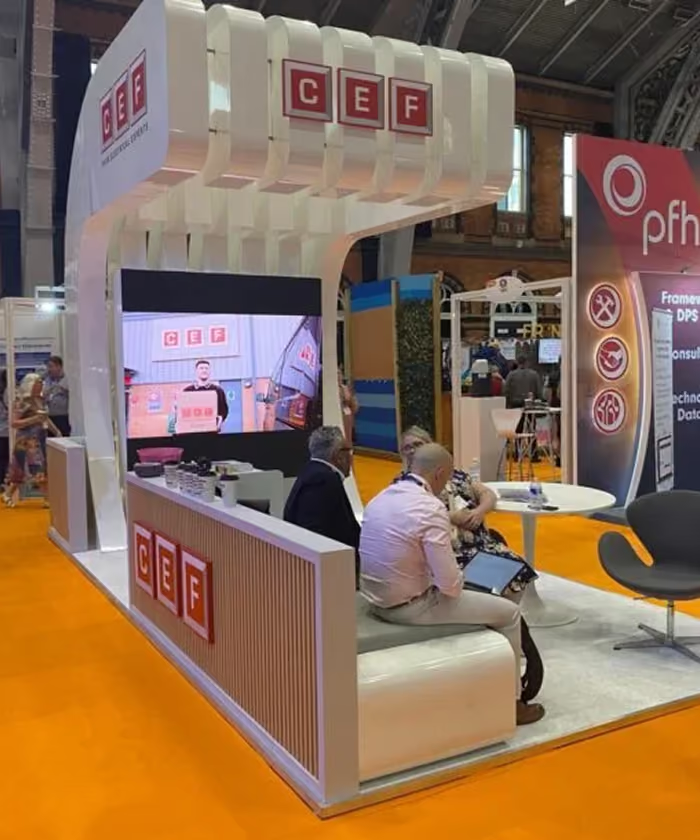
A successful exhibition stand does much more than fill space at a trade show. It acts as a physical representation of a brand, attracts potential customers and creates opportunities for meaningful conversations.
With hundreds of exhibitors often competing for attention at the same event, businesses need a stand that not only looks impressive but also supports their wider objectives. Whether the goal is generating leads, launching products, increasing brand awareness or strengthening industry relationships, the quality of the exhibition stand can have a significant impact on results.
So, what makes a good exhibition stand? While every business has different requirements, the most effective stands share several common characteristics.
A Clear Purpose
Before considering colours, graphics or technology, it is important to define the purpose of the stand.
Successful exhibition stands are designed around specific objectives, such as:
- Generating sales leads
- Showcasing new products
- Increasing brand awareness
- Booking appointments
- Networking with industry professionals
- Demonstrating expertise
Without a clear objective, it becomes difficult to make effective design decisions or measure success after the event.
Every element of the stand should support the desired outcome.
Strong Visual Appeal
Exhibitions are busy environments where visitors are constantly exposed to competing messages.
A good exhibition stand must attract attention quickly.
Visual appeal can be achieved through:
- Eye-catching branding
- Strategic lighting
- High-quality graphics
- Creative structures
- Effective use of colour
- Clear focal points
The aim is not simply to create something visually impressive but to encourage visitors to stop and engage.
An attractive stand serves as the first step in starting a conversation.
Clear and Consistent Branding
Visitors should immediately understand who you are and what your business offers.
Branding should be visible, consistent and easy to recognise throughout the stand.
Important branding elements include:
- Company logo
- Brand colours
- Key messages
- Visual identity
- Product imagery
Strong branding helps improve recognition and ensures visitors remember your business after the event.
Consistency across displays, marketing materials and digital elements also creates a more professional impression.
Simple and Effective Messaging
Many exhibitors try to communicate too much information at once.
This can overwhelm visitors and reduce engagement.
A good exhibition stand focuses on simple, clear messaging that quickly answers key questions:
- Who are you?
- What do you offer?
- Why should visitors care?
Visitors often make decisions within seconds, so messages should be easy to read and understand from a distance.
Short headlines and concise supporting information are often more effective than large amounts of text.
An Inviting Layout
The layout of a stand plays a major role in visitor behaviour.
People are more likely to approach and enter spaces that feel open and accessible.
Effective layouts often feature:
- Clear entry points
- Open walkways
- Comfortable meeting areas
- Logical product displays
- Accessible demonstration zones
Avoiding physical barriers helps create a more welcoming environment and encourages visitors to explore.
A well-planned layout also supports smooth movement throughout the stand.
Interactive Features
Visitors are more likely to remember experiences they actively participate in.
Interactive elements can help increase engagement while making the stand more memorable.
Popular options include:
- Product demonstrations
- Touchscreen displays
- Virtual reality experiences
- Interactive presentations
- Competitions and games
- Hands-on product testing
The most successful interactive features provide genuine value rather than serving as distractions.
They should support the stand's objectives and encourage meaningful conversations.
High-Quality Lighting
Lighting is often overlooked but can significantly influence the effectiveness of an exhibition stand.
Good lighting can:
- Highlight products
- Draw attention to key areas
- Improve visibility
- Create atmosphere
- Reinforce branding
Different lighting techniques can produce different effects depending on the desired visitor experience.
A well-lit stand often appears more professional and inviting than one that relies solely on venue lighting.
Knowledgeable and Approachable Staff
Even the best-designed exhibition stand will struggle to deliver results without the right people.
Stand staff play a crucial role in shaping visitor experiences.
Successful exhibition teams are typically:
- Friendly
- Approachable
- Well-informed
- Professional
- Engaging
- Prepared to answer questions
Visitors are far more likely to engage when they feel welcomed rather than pressured.
Staff should focus on starting conversations, understanding visitor needs and building relationships.
Space Designed Around Visitors
Many exhibitors design stands around their own products rather than visitor needs.
A better approach is to consider the visitor journey.
Questions to ask include:
- What will attract visitors initially?
- How will they navigate the space?
- Where will conversations take place?
- How will information be presented?
- What actions should visitors take next?
By designing around visitor behaviour, businesses can create a more engaging and effective experience.
Lead Capture and Follow-Up Opportunities
Attracting visitors is only part of the challenge.
A good exhibition stand should also support lead generation and post-event follow-up.
This may involve:
- Digital registration systems
- QR codes
- Lead capture apps
- Appointment booking tools
- Contact forms
Capturing information efficiently helps ensure valuable conversations lead to future business opportunities.
Without a clear follow-up strategy, many exhibition opportunities can be lost.
Understanding Visitor Psychology
One of the reasons some stands consistently outperform others is their understanding of visitor behaviour.
The psychology behind exhibition stand design influences how people respond to colours, layouts, messaging and interactive features.
By considering psychological factors alongside practical design elements, exhibitors can create stands that feel more welcoming, memorable and engaging.
Understanding what motivates visitors to stop, explore and interact can make a significant difference to exhibition success.
Measuring Success
A good exhibition stand should deliver measurable outcomes.
Success may be evaluated through:
- Number of leads generated
- Visitor engagement levels
- Meetings booked
- Product demonstrations completed
- Social media activity
- Brand awareness improvements
Tracking results allows businesses to identify what worked well and refine their approach for future events.
Final Thoughts
What makes a good exhibition stand is not a single design feature or marketing tactic. It is the combination of clear objectives, strong branding, effective layouts, engaging experiences and meaningful visitor interactions.
The most successful stands attract attention, communicate value quickly and create opportunities for genuine conversations. They are designed with both business goals and visitor needs in mind.
By focusing on these principles, exhibitors can create stands that stand out in crowded event environments and deliver lasting value long after the exhibition has ended.