B
The Psychology Of Exhibition Stand Design
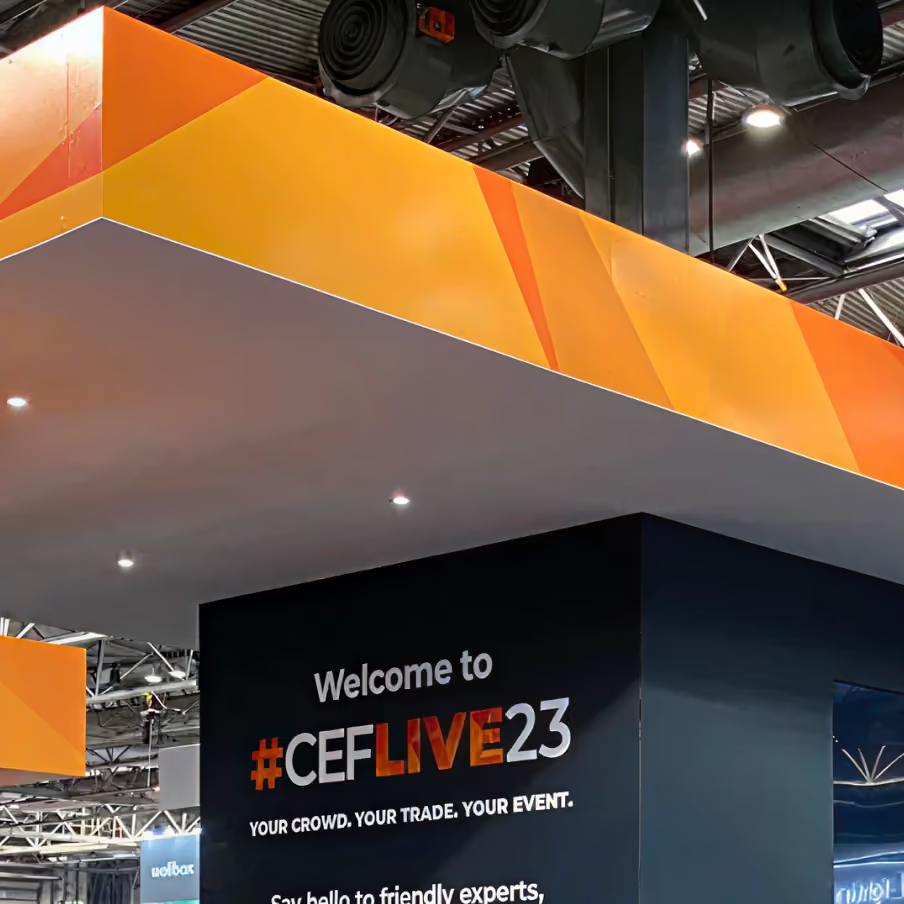
Exhibitions are highly competitive environments. Visitors are surrounded by hundreds of brands, products and marketing messages, all competing for their attention. In many cases, exhibitors have only a few seconds to make an impression and encourage someone to stop at their stand.
This is where psychology plays an important role.
Effective exhibition stand design is not simply about creating something visually attractive. It is about understanding how people think, behave and make decisions. The most successful stands are designed with visitor psychology in mind, using colours, layouts, lighting and messaging to influence engagement and encourage interaction.
By understanding the principles behind human behaviour, exhibitors can create stand designs that attract attention, improve visitor experiences and generate better results.
First Impressions Matter
Psychologists have long recognised that people form impressions quickly.
At exhibitions, visitors often decide within seconds whether a stand is worth exploring. This means first impressions can have a significant impact on footfall and engagement.
Several design elements contribute to these initial judgements, including:
- Visual appearance
- Branding
- Lighting
- Layout
- Messaging
- Staff presentation
A stand that appears welcoming, professional and relevant is far more likely to attract visitors than one that feels cluttered, confusing or uninviting.
The Role of Colour Psychology
Colour is one of the most powerful tools in exhibition stand design.
Different colours can evoke different emotional responses and influence how visitors perceive a brand.
For example:
- Blue is often associated with trust and reliability.
- Green can suggest sustainability and wellbeing.
- Red can create excitement and urgency.
- Yellow often conveys optimism and energy.
- Black can communicate luxury and sophistication.
The most effective exhibition stands use colour strategically to reinforce brand identity and support desired visitor perceptions.
Consistency is also important. A coherent colour scheme helps create a stronger visual identity and improves brand recognition.
Layout Influences Behaviour
The way a stand is organised can affect how visitors move through the space and interact with displays.
Psychological research shows that people generally prefer environments that feel easy to navigate and understand.
A clear layout can:
- Encourage exploration
- Reduce confusion
- Improve visitor comfort
- Increase dwell time
- Support conversations
Open, accessible designs often perform better than layouts that create physical or visual barriers.
Visitors are more likely to enter a stand when they can easily see what is happening inside and understand where to go.
The Power of Curiosity
Humans are naturally curious.
Exhibition stands that create intrigue often encourage visitors to stop and learn more.
This can be achieved through:
- Interactive displays
- Live demonstrations
- Product launches
- Unique design features
- Thought-provoking messaging
The goal is not to overwhelm visitors with information immediately but to create enough interest to spark engagement.
When curiosity is triggered, people are more likely to invest time in exploring the stand further.
Lighting Shapes Perception
Lighting affects both mood and attention.
A poorly lit stand may appear uninviting, while effective lighting can highlight key areas and create a more appealing atmosphere.
Lighting can be used to:
- Draw attention to products
- Create focal points
- Influence mood
- Enhance branding
- Improve visibility
Different lighting styles can also support different objectives. Bright lighting may create energy and excitement, while softer lighting can encourage relaxed conversations.
Used correctly, lighting becomes a subtle but powerful psychological tool.
Simplicity Helps Visitors Process Information
Exhibitions often overwhelm attendees with information.
When faced with too many choices or excessive visual stimulation, people may disengage rather than investigate further.
This is known as cognitive overload.
Effective stand design avoids this problem by focusing on clarity and simplicity.
Successful approaches include:
- Clear messaging
- Minimal clutter
- Strong visual hierarchy
- Easy-to-understand displays
- Focused calls to action
Visitors should be able to understand the purpose of the stand within moments of seeing it.
Social Proof Encourages Trust
People often look to others when deciding how to behave.
This psychological principle, known as social proof, can be highly effective in exhibition environments.
Examples include:
- Live demonstrations attracting crowds
- Customer testimonials
- Case studies
- Industry awards
- Positive reviews
When visitors see evidence that others trust a company, they may feel more confident engaging with the brand themselves.
Busy stands often attract even more attention simply because people assume something valuable is happening.
Interactive Experiences Increase Engagement
Participation creates stronger memories than passive observation.
This is why interactive stand features have become increasingly popular.
Interactive experiences may include:
- Product demonstrations
- Virtual reality experiences
- Touchscreen displays
- Games and competitions
- Hands-on testing opportunities
When visitors actively engage with a brand, they are more likely to remember both the experience and the message behind it.
This can improve lead generation and strengthen long-term brand recall.
Emotional Connections Drive Decisions
While people often believe they make decisions based entirely on logic, emotions frequently play a significant role.
Exhibition stands that create positive emotional experiences can leave lasting impressions.
Emotional responses may be influenced by:
- Storytelling
- Visual design
- Personal interactions
- Brand values
- Visitor experiences
Creating positive emotions such as excitement, inspiration or trust can help strengthen relationships with potential customers.
Staff Behaviour Is Part of the Psychology
Stand design is important, but people remain one of the most influential factors in exhibition success.
Friendly, approachable staff can make visitors feel welcome and comfortable.
Positive interactions help reinforce the psychological impact of the physical stand design.
Effective exhibition teams often:
- Make eye contact
- Offer genuine greetings
- Ask engaging questions
- Listen actively
- Avoid overly aggressive sales approaches
Visitors are far more likely to remember a positive conversation than a piece of marketing literature.
Bringing Psychology Into Exhibition Design
The most effective exhibition stands combine visual appeal with a clear understanding of visitor behaviour.
Businesses focusing on the key elements of a successful exhibition stand should consider psychology alongside practical design decisions. Factors such as colour, layout, lighting, messaging and interaction all influence how visitors experience a stand and whether they choose to engage with it.
By understanding the psychological principles that shape human behaviour, exhibitors can create environments that feel more welcoming, memorable and effective.
Final Thoughts
The psychology of exhibition stand design goes far beyond aesthetics. Every design choice influences how visitors perceive a brand, navigate a space and make decisions.
From colour psychology and social proof to curiosity and emotional engagement, understanding these principles can help businesses create stands that attract attention and encourage meaningful interactions.
In a busy exhibition hall, success often comes down to more than what visitors see. It depends on how a stand makes them feel, what captures their attention and what motivates them to engage. By applying psychological insights to stand design, exhibitors can create experiences that leave a lasting impression long after the event has ended.