B
10 Office Design Trends for Modern Workplaces 2026
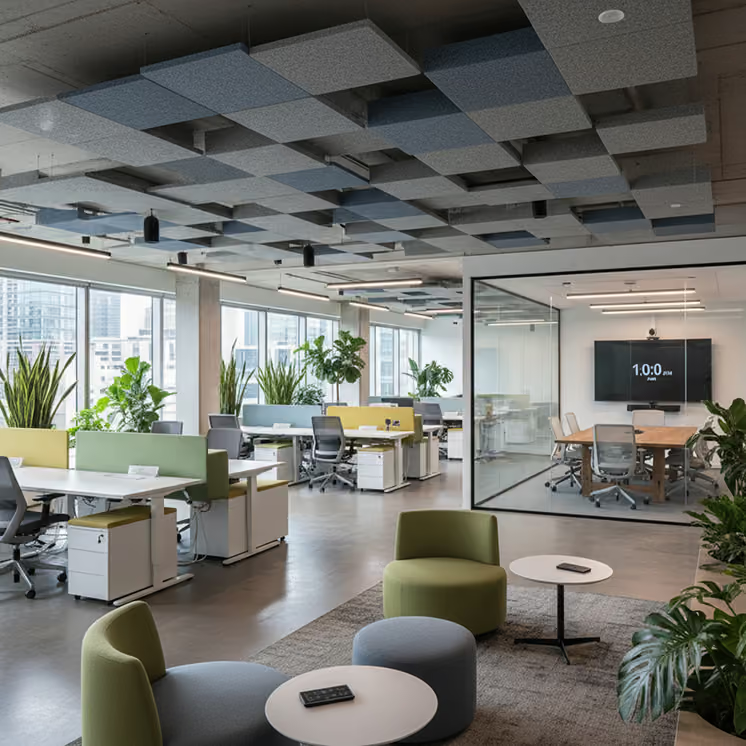
Workplaces continue to evolve as businesses adapt to changing employee expectations, hybrid working models and advances in technology. The modern office is no longer simply a place where people complete tasks. It has become a space designed to support collaboration, wellbeing, creativity and productivity.
As organisations compete for talent and seek to improve employee experiences, office design is playing an increasingly important role in workplace strategy.
In 2026, businesses are focusing on creating flexible, people-centred environments that balance operational needs with employee wellbeing. From smart technology to sustainable materials, several key trends are shaping the future of workplace design.
Here are 10 office design trends influencing modern workplaces in 2026.
1. Flexible Workspaces Continue to Grow
The rise of hybrid working has transformed how offices are used.
Rather than assigning fixed desks to every employee, many organisations are creating flexible environments that can adapt to changing needs throughout the day.
Common features include:
- Hot-desking areas
- Shared workstations
- Multi-purpose spaces
- Flexible meeting rooms
- Collaborative zones
This approach allows businesses to maximise space utilisation while giving employees greater choice in how and where they work.
2. Employee Wellbeing Remains a Priority
Workplace wellbeing continues to be a major focus for employers.
Businesses increasingly recognise the connection between employee health, engagement and performance.
Modern office designs often incorporate:
- Wellness rooms
- Quiet spaces
- Relaxation areas
- Improved air quality systems
- Ergonomic furniture
- Natural materials
These features help create healthier work environments that support both physical and mental wellbeing.
3. Biophilic Design Is Becoming Standard
Biophilic design involves incorporating elements of nature into the workplace.
Research suggests that natural environments can help reduce stress while improving focus and overall wellbeing.
Popular biophilic design features include:
- Indoor plants
- Living walls
- Natural lighting
- Organic materials
- Nature-inspired colour palettes
Rather than being treated as decorative additions, these elements are increasingly integrated into overall workplace design strategies.
4. Smart Office Technology Is Expanding
Technology is becoming more deeply integrated into office environments.
Smart workplace systems help improve efficiency while supporting employee experiences.
Examples include:
- Occupancy sensors
- Desk booking systems
- Smart lighting controls
- Meeting room scheduling tools
- Energy management systems
These technologies can help businesses optimise office usage while improving convenience for employees.
5. Spaces Designed for Collaboration
While remote work has changed many aspects of business operations, collaboration remains one of the primary reasons employees come into the office.
As a result, many workplaces are allocating more space to collaborative activities.
Common features include:
- Informal meeting areas
- Brainstorming zones
- Open collaboration hubs
- Project rooms
- Interactive technology
These environments support communication and idea-sharing while helping teams work more effectively together.
6. Acoustics Are Receiving More Attention
Noise management has become a growing priority in workplace design.
Many open-plan offices have faced criticism for creating distractions that affect concentration and productivity.
To address these concerns, organisations are investing in:
- Acoustic panels
- Soundproof meeting rooms
- Quiet work zones
- Sound-absorbing materials
- Private focus spaces
Improved acoustic design helps create a better balance between collaboration and focused work.
7. Sustainability Is Influencing Design Decisions
Environmental responsibility is increasingly shaping workplace design.
Businesses are looking for ways to reduce environmental impact while supporting corporate sustainability goals.
Sustainable office design may include:
- Recycled materials
- Energy-efficient lighting
- Sustainable furniture
- Low-carbon construction materials
- Waste reduction initiatives
Sustainability is no longer viewed as a separate consideration. It is becoming an integral part of modern office design.
8. Hospitality-Inspired Workplaces Are Emerging
Many organisations are adopting design principles traditionally associated with hotels, lounges and hospitality venues.
The goal is to create more welcoming and comfortable environments that encourage employees to spend time in the office.
Features often include:
- Café-style seating
- Soft furnishings
- Comfortable breakout spaces
- Premium finishes
- Flexible social areas
These spaces help create a more relaxed atmosphere while supporting collaboration and informal interaction.
9. Purpose-Driven Workplace Design
Rather than creating generic office layouts, businesses are increasingly designing workplaces around specific organisational goals.
Design decisions are being guided by factors such as:
- Employee needs
- Company culture
- Collaboration requirements
- Business objectives
- Future growth plans
This approach helps ensure office environments actively support organisational performance rather than simply providing workspace.
10. Activity-Based Working Continues to Evolve
Activity-based working remains one of the most influential workplace trends.
This model provides employees with access to different environments depending on the task they need to complete.
Workplace settings may include:
- Focus booths
- Collaborative areas
- Formal meeting rooms
- Social spaces
- Quiet work zones
Employees can choose the most appropriate environment for their activities rather than being limited to a single desk throughout the day.
This flexibility supports productivity while accommodating different working styles.
Why Office Design Trends Matter
Workplace design trends are not simply about aesthetics.
They reflect changing expectations around how offices should support employees and business objectives.
Successful workplaces increasingly focus on:
- Flexibility
- Wellbeing
- Collaboration
- Sustainability
- Technology integration
Organisations that embrace these developments are often better positioned to attract talent, improve employee satisfaction and support long-term growth.
Businesses exploring office layouts that improve productivity are finding that design decisions have a direct impact on how employees work, collaborate and perform.
As a result, office design has become an important strategic consideration rather than a purely operational one.
Final Thoughts
Office design in 2026 is centred on creating flexible, employee-focused environments that support both productivity and wellbeing. From biophilic design and smart technology to collaborative workspaces and sustainability initiatives, modern workplaces are evolving to meet the demands of a changing workforce.
The most successful offices are those that balance functionality with employee experience. Rather than following trends for their own sake, organisations should focus on creating environments that align with their culture, objectives and workforce needs.
As workplace expectations continue to evolve, thoughtful office design will remain an important factor in building productive, engaging and future-ready organisations.