B
How Office Design Impacts Employee Productivity
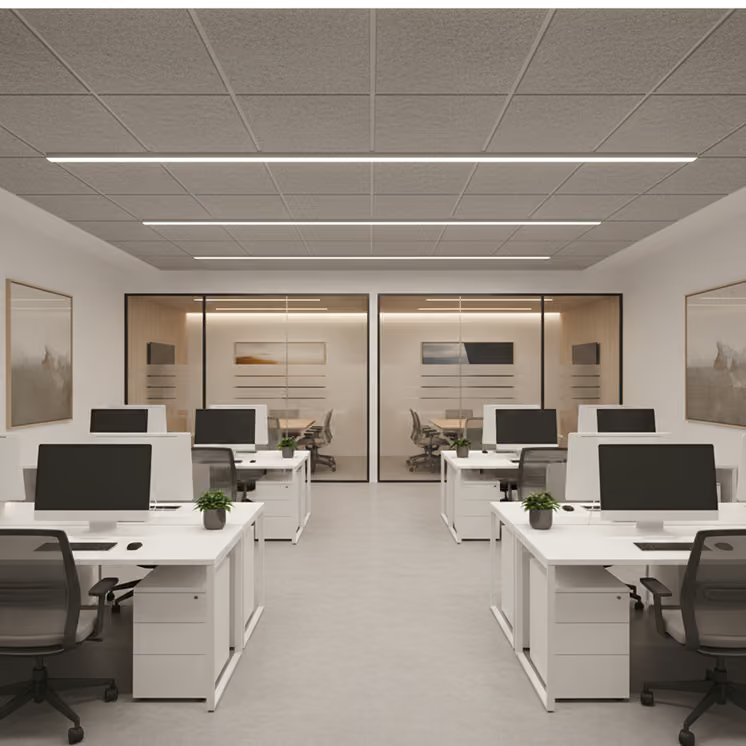
Office design has evolved significantly over the past decade. Once viewed primarily as a matter of aesthetics, workplace design is now recognised as an important factor in employee performance, wellbeing and job satisfaction.
Businesses increasingly understand that the physical environment can influence how people work, communicate and feel throughout the day. From lighting and layout to acoustics and furniture, every design decision can have an impact on productivity.
A well-designed office does more than look professional. It creates an environment that supports focus, encourages collaboration and helps employees perform at their best.
Why Office Design Matters
Employees spend a significant portion of their lives at work. The spaces they occupy can affect everything from concentration levels to motivation and overall wellbeing.
Poorly designed workplaces can contribute to:
- Distractions
- Stress
- Fatigue
- Reduced morale
- Lower productivity
In contrast, thoughtfully designed offices can help employees feel more comfortable, engaged and motivated.
As organisations continue to compete for talent and seek ways to improve performance, office design has become an increasingly important business consideration.
Natural Light Improves Focus and Wellbeing
Access to natural light is one of the most important elements of workplace design.
Research consistently shows that natural daylight can positively influence mood, energy levels and concentration.
Benefits of natural light include:
- Reduced eye strain
- Improved alertness
- Better sleep quality
- Enhanced mood
- Increased productivity
Employees working in naturally lit environments often report greater job satisfaction and improved wellbeing compared with those working in poorly lit spaces.
Modern office designs frequently prioritise large windows, open layouts and glass partitions to maximise daylight throughout the workplace.
Workspace Layout Influences Efficiency
The way an office is organised can have a direct impact on how employees interact and complete tasks.
Different layouts support different types of work.
For example:
- Open-plan spaces can encourage collaboration.
- Private offices support focused work.
- Breakout areas facilitate informal discussions.
- Meeting rooms provide dedicated spaces for teamwork.
The most effective workplaces often combine multiple environments, allowing employees to choose spaces that suit the task at hand.
A balanced layout helps reduce unnecessary interruptions while supporting communication when needed.
Acoustics Play a Key Role in Productivity
Noise is one of the most common workplace complaints.
While open-plan offices can encourage collaboration, they can also create distractions that make concentration difficult.
Excessive noise may lead to:
- Reduced focus
- Increased stress
- Lower work quality
- More frequent errors
Effective acoustic design can help address these challenges.
Common solutions include:
- Acoustic panels
- Sound-absorbing materials
- Quiet zones
- Private meeting spaces
- Strategic furniture placement
By managing noise levels, organisations can create environments that support both collaboration and focused work.
Comfortable Furniture Supports Better Performance
Employees spend many hours sitting at desks, attending meetings and working on computers.
Poor-quality furniture can contribute to discomfort, fatigue and musculoskeletal issues.
Ergonomic office furniture helps support:
- Good posture
- Reduced physical strain
- Improved comfort
- Better concentration
- Long-term employee wellbeing
Features such as adjustable chairs, height-adjustable desks and ergonomic accessories can make a significant difference to daily productivity.
Comfortable employees are often better able to focus on their work without being distracted by physical discomfort.
Collaboration Spaces Encourage Innovation
Modern organisations rely heavily on teamwork and idea-sharing.
Office design can either support or hinder collaboration depending on how spaces are configured.
Dedicated collaboration areas provide opportunities for:
- Brainstorming sessions
- Informal meetings
- Problem-solving discussions
- Cross-department communication
- Creative thinking
These spaces often feature flexible seating arrangements and technology that supports group work.
Providing suitable environments for collaboration can help teams work more effectively and generate new ideas.
Employee Wellbeing and Productivity Are Closely Linked
Productivity is not simply about working faster. It is also influenced by mental and physical wellbeing.
Workplaces that prioritise employee wellbeing often see benefits such as:
- Higher engagement
- Improved morale
- Reduced absenteeism
- Better retention rates
- Increased productivity
Design features that support wellbeing may include:
- Natural materials
- Indoor plants
- Relaxation areas
- Wellness rooms
- Improved air quality
Creating a healthy work environment can have a positive impact on both employees and organisational performance.
Flexible Workspaces Support Different Working Styles
Not every employee works in the same way.
Some tasks require deep concentration, while others involve collaboration and communication.
Flexible office design acknowledges these differences by providing a variety of work settings.
Examples include:
- Quiet focus areas
- Shared workstations
- Collaborative zones
- Informal lounges
- Hybrid meeting spaces
Giving employees access to different environments allows them to choose the most appropriate space for the work they are doing.
This flexibility can improve both productivity and job satisfaction.
Workplace Design Influences Company Culture
Office design also communicates important messages about organisational values and culture.
The workplace environment can shape how employees feel about the organisation and their role within it.
A thoughtfully designed office may help reinforce:
- Collaboration
- Innovation
- Inclusivity
- Transparency
- Employee wellbeing
When the physical workspace aligns with company values, it can strengthen employee engagement and contribute to a more positive workplace culture.
Technology Integration Improves Efficiency
Modern workplaces rely heavily on technology to support communication and productivity.
Office design should make technology easy to access and use.
This may include:
- Integrated meeting room technology
- Wireless connectivity
- Charging stations
- Smart booking systems
- Video conferencing facilities
Seamless technology integration helps employees work more efficiently and reduces frustration caused by technical barriers.
The Future of Productive Workplace Design
As work continues to evolve, office environments are becoming more adaptable and employee-focused.
Many organisations are investing in spaces that support flexibility, wellbeing and collaboration rather than simply maximising desk capacity.
Businesses exploring workplace design trends for productivity are increasingly prioritising environments that balance employee needs with organisational objectives.
The most successful workplaces recognise that productivity is influenced by a wide range of factors, many of which are directly connected to the design of the physical environment.
Final Thoughts
Office design has a significant impact on employee productivity, wellbeing and overall workplace performance. Factors such as lighting, acoustics, furniture, layout and flexibility all contribute to how effectively employees can perform their roles.
A well-designed office creates an environment where people can focus, collaborate and feel comfortable throughout the working day. It supports both individual performance and team success while contributing to a positive workplace culture.
As organisations continue to adapt to changing ways of working, investing in thoughtful office design is likely to remain an important strategy for improving productivity and creating better employee experiences.