B
10 Exhibition Stand Trends Shaping Modern Events in 2026
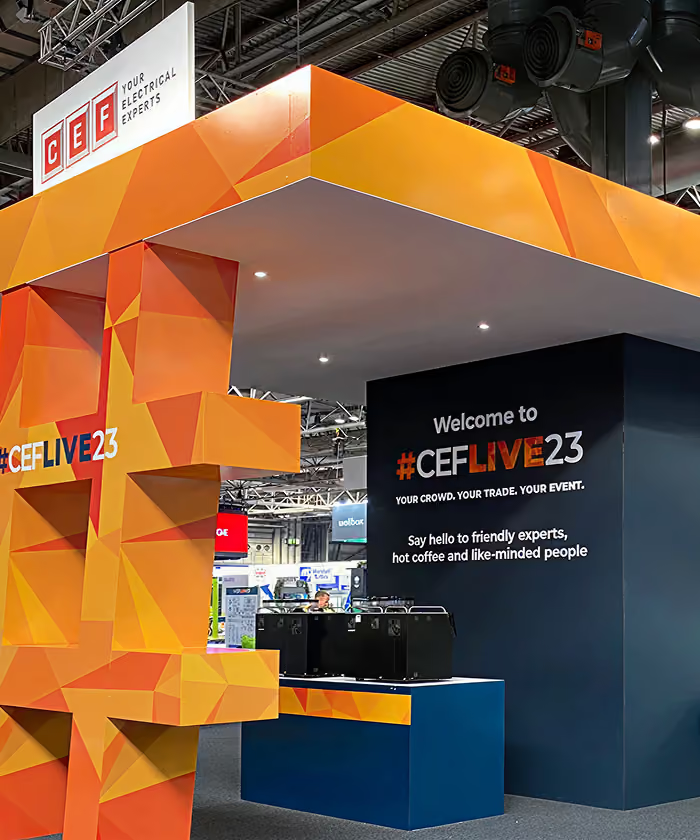
Trade shows and exhibitions continue to evolve as organisers and exhibitors look for new ways to attract attention, engage visitors and generate meaningful business opportunities. In 2026, exhibition stand design is moving beyond simple displays and product showcases. Brands are investing in experiences that encourage interaction, support sustainability goals and create memorable connections with attendees.
As visitor expectations rise, exhibition stands are becoming smarter, more adaptable and more focused on delivering value. Whether attending a large international trade fair or a niche industry event, businesses that embrace modern exhibition trends are better positioned to stand out from competitors.
Here are 10 exhibition stand trends shaping modern events in 2026.
1. Immersive Experiences Are Taking Centre Stage
Visitors no longer want to simply walk past displays and collect brochures. They expect experiences that capture their attention and encourage participation.
Many exhibitors are incorporating immersive elements such as:
- Interactive digital screens
- Projection mapping
- Sensory experiences
- Live product demonstrations
- Hands-on testing areas
These features help visitors engage with products and services in a more meaningful way, increasing both dwell time and brand recall.
2. Sustainability Is Becoming a Core Design Principle
Sustainability is no longer a nice addition to exhibition stand design. It has become a key consideration for businesses, event organisers and attendees alike.
In 2026, exhibitors are increasingly choosing:
- Reusable stand structures
- Recyclable materials
- Energy-efficient lighting
- Digital brochures instead of printed materials
- Environmentally responsible manufacturing processes
A sustainable exhibition stand can help reduce waste while demonstrating a company's commitment to environmental responsibility.
3. Modular Stands Offer Greater Flexibility
Businesses are seeking exhibition solutions that can adapt to different venues, floor plans and event requirements.
Modular stand systems continue to grow in popularity because they allow exhibitors to:
- Reconfigure layouts for different events
- Expand or reduce stand size as needed
- Reuse components across multiple exhibitions
- Lower long-term exhibition costs
This flexibility makes modular designs particularly attractive for organisations exhibiting throughout the year.
4. Personalised Visitor Journeys Are Increasing Engagement
Modern exhibitors are focusing on creating tailored experiences rather than delivering the same message to every attendee.
Technology now makes it easier to personalise interactions through:
- QR code engagement
- Visitor registration systems
- Interactive questionnaires
- Product recommendation tools
- Digital content tailored to visitor interests
By providing relevant information based on individual needs, exhibitors can create stronger connections and generate higher-quality leads.
5. Hybrid Physical and Digital Experiences Continue to Grow
While face-to-face networking remains essential, digital integration is becoming a permanent feature of exhibitions.
Many stands now incorporate:
- Live streaming demonstrations
- Virtual product tours
- Digital meeting booking systems
- Remote participation options
- Interactive online content
This approach helps brands engage both in-person attendees and audiences who may not be physically present at the event.
6. Open and Welcoming Layouts Are Replacing Closed Designs
Exhibition stand design is becoming more accessible and inviting.
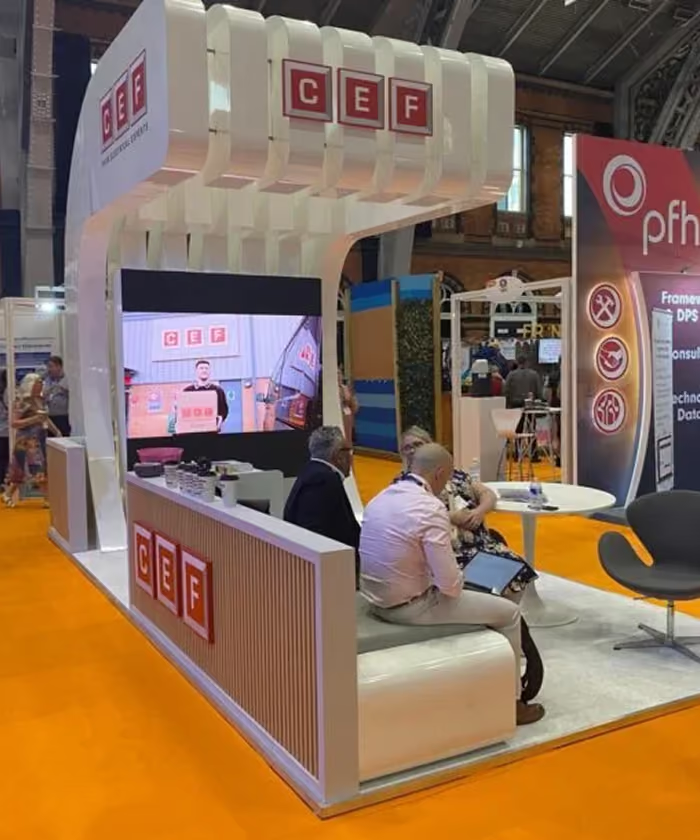
Rather than creating barriers between visitors and staff, exhibitors are favouring open-plan layouts that encourage natural movement and conversation.
Common features include:
- Wider entrances
- Open seating areas
- Visible product displays
- Clear navigation paths
- Flexible meeting spaces
These layouts make it easier for attendees to explore the stand and engage with representatives.
7. Smart Technology Is Enhancing Visitor Insights
Technology is playing a growing role in helping exhibitors understand visitor behaviour.
Modern stands often include tools that track:
- Footfall patterns
- Visitor engagement levels
- Popular display areas
- Lead generation activity
- Content interactions
These insights allow businesses to measure event performance more accurately and make improvements for future exhibitions.
8. Multi-Purpose Spaces Are Becoming More Important
Exhibition stands are increasingly expected to serve multiple functions throughout an event.
Rather than dedicating space to a single purpose, many exhibitors are creating adaptable environments that can support:
- Product demonstrations
- Private meetings
- Networking sessions
- Presentations
- Informal discussions
This maximises the value of available floor space and creates a more dynamic visitor experience.
9. Strong Branding Is Being Combined with Simplicity
In previous years, some exhibition stands relied on overwhelming graphics and excessive visual elements to attract attention.
In 2026, many brands are moving towards cleaner, more focused designs.
Successful stands often feature:
- Consistent branding
- Clear messaging
- Strategic lighting
- Simple colour schemes
- Well-defined focal points
A more refined approach can help visitors understand a company's offering quickly without being distracted by unnecessary design elements.
When considering the key elements of a successful exhibition stand, clarity and ease of navigation often have as much impact as visual creativity.
10. Human Interaction Remains the Most Valuable Feature
Despite advances in technology, the most effective exhibition stands still prioritise genuine human connections.
Visitors attend exhibitions to speak with experts, ask questions and build relationships. Technology can support these interactions, but it cannot replace them.
Businesses that combine engaging stand design with knowledgeable, approachable staff are often the ones that achieve the strongest results.
Creating opportunities for meaningful conversations remains one of the most effective ways to maximise exhibition success.
Looking Ahead
Exhibition stand design in 2026 is being shaped by a combination of technology, sustainability and visitor expectations. Businesses are moving beyond static displays and investing in experiences that encourage participation, provide useful information and leave lasting impressions.
From immersive digital features and flexible modular systems to personalised engagement strategies and sustainable materials, the most successful exhibition stands are designed around the needs of modern event attendees.
As the exhibition industry continues to evolve, organisations that embrace these trends will be better equipped to attract visitors, strengthen brand awareness and achieve measurable results from every event they attend.