B
Custom Exhibition Stand vs Modular Stand: Which Is Better?
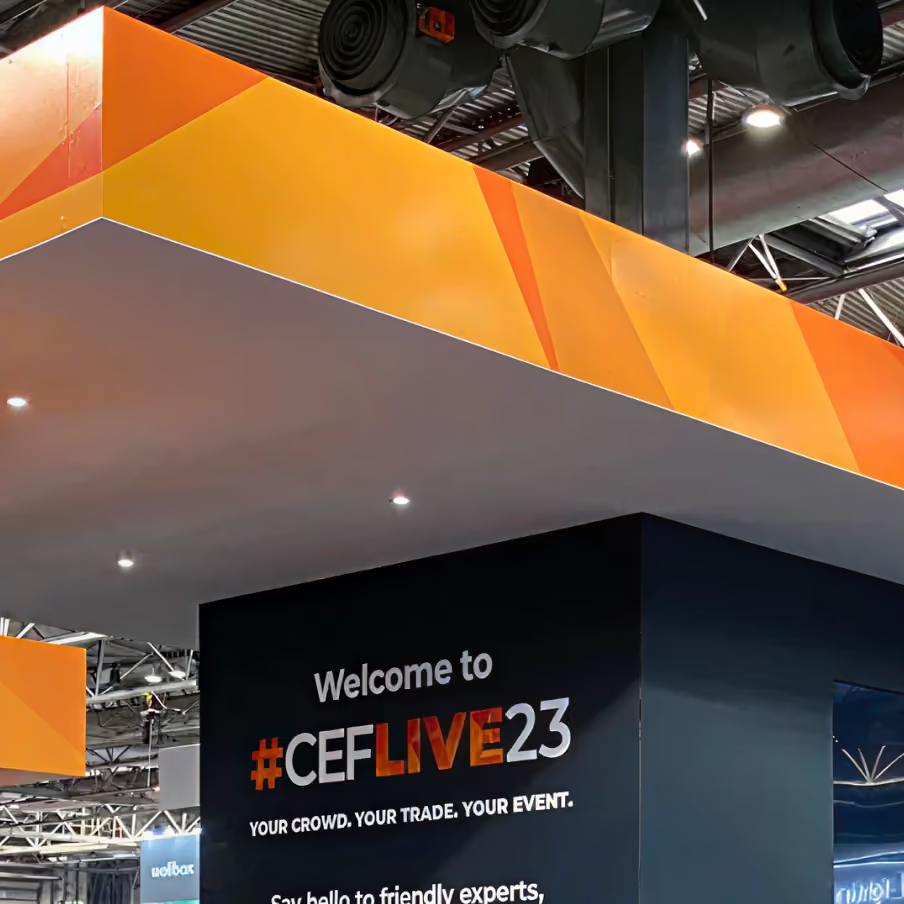
Choosing the right exhibition stand can have a significant impact on the success of an event. Your stand is often the first thing visitors notice, and it plays a major role in attracting attention, communicating your brand and creating opportunities for meaningful conversations.
One of the biggest decisions exhibitors face is whether to invest in a custom exhibition stand or choose a modular stand system. Both options have advantages, and the right choice depends on your goals, budget and exhibition strategy.
This guide compares custom and modular exhibition stands to help you decide which solution is best for your business.
What Is a Custom Exhibition Stand?
A custom exhibition stand is designed and built specifically for a brand, event or campaign. Every element is created to meet particular objectives, from the layout and structure to the materials, graphics and visitor experience.
Custom stands are often used by organisations that want a unique presence at major trade shows or exhibitions.
Features commonly include:
- Bespoke layouts
- Custom-built structures
- Unique branding elements
- Integrated technology
- Tailored visitor experiences
- Specialised lighting and displays
Because they are built from scratch, custom stands offer almost unlimited design possibilities.
What Is a Modular Exhibition Stand?
A modular exhibition stand uses a system of reusable components that can be assembled in different configurations.
The framework is designed to be flexible, allowing exhibitors to adapt the stand for different spaces, event requirements and marketing objectives.
Typical features include:
- Reusable structural components
- Interchangeable graphics
- Flexible layouts
- Lightweight materials
- Easier transportation and storage
- Faster installation
Modular systems have become increasingly popular as businesses look for more cost-effective and sustainable exhibition solutions.
Branding and Visual Impact
One of the main differences between custom and modular stands is the level of design freedom available.
Custom Stand Advantages
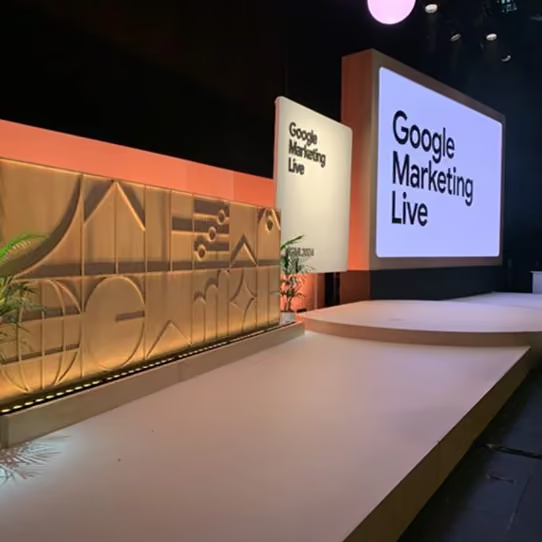
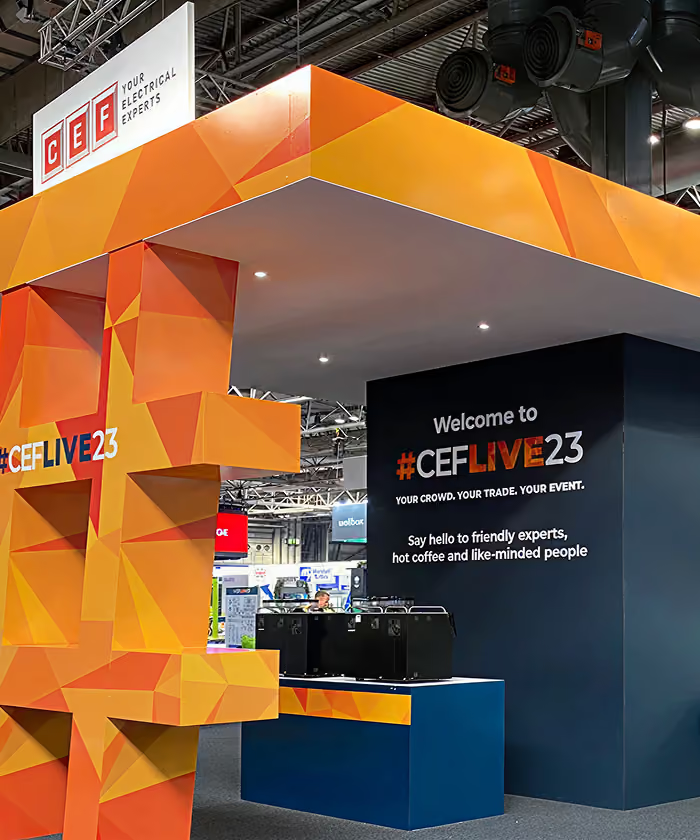
A custom stand allows businesses to create something completely unique. Every aspect can be tailored to reflect brand identity, showcase products and support specific marketing goals.
Benefits include:
- Distinctive appearance
- Greater creative freedom
- Stronger visual impact
- More opportunities for immersive experiences
- Better differentiation from competitors
For companies exhibiting at major industry events, a custom stand can help create a memorable presence that attracts visitors from across the exhibition hall.
Modular Stand Advantages
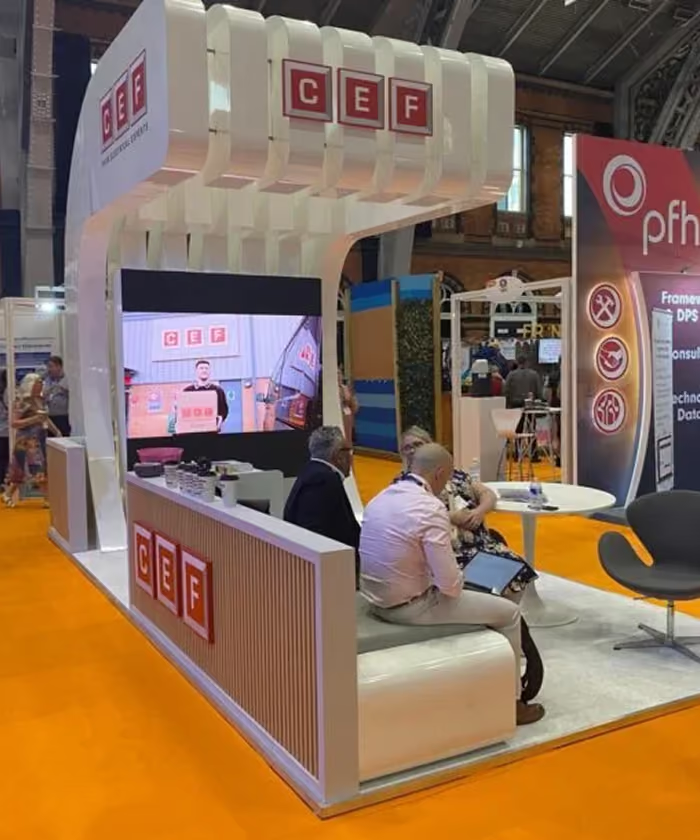
Modern modular systems have improved significantly in recent years. While they may not offer the same level of complete design freedom, they can still deliver highly professional results.
Many modular stands now incorporate:
- Large-format graphics
- Digital displays
- Creative layouts
- Premium finishes
- Branded features
For many exhibitors, visitors may not even realise the stand uses a modular system.
Cost Considerations
Budget is often one of the most important factors when choosing between custom and modular options.
Custom Exhibition Stands
Custom stands generally require a larger upfront investment because they involve:
- Bespoke design work
- Custom manufacturing
- Specialist materials
- Unique construction processes
Costs can increase further when large-scale structures, advanced technology or specialist installations are included.
However, businesses exhibiting at high-profile events may consider the investment worthwhile if it helps generate significant leads or strengthen brand awareness.
Modular Exhibition Stands
Modular stands are typically more affordable because components can be reused across multiple events.
Potential savings include:
- Lower production costs
- Reduced storage requirements
- Easier transportation
- Lower installation costs
- Fewer replacement expenses
For organisations attending multiple exhibitions throughout the year, these savings can add up quickly.
Flexibility and Adaptability
Exhibition requirements often change from one event to the next.
A business may have a large island stand at one exhibition and a smaller shell scheme space at another.
Modular Systems Excel Here
One of the greatest strengths of a modular stand is flexibility.
Components can often be reconfigured to fit:
- Different floor plans
- Various stand sizes
- New branding campaigns
- Different product launches
This adaptability makes modular stands attractive for businesses with a busy exhibition calendar.
Custom Stands Are More Fixed
While custom stands can sometimes be modified, they are usually designed around a specific layout and purpose.
This may limit flexibility when moving between different event spaces.
Sustainability Matters More Than Ever
Sustainability has become a major consideration for exhibitors, event organisers and visitors.
Many companies are now looking for ways to reduce waste and improve the environmental performance of their exhibition activities.
Modular Stand Benefits
Modular systems are often considered the more sustainable option because they are designed for repeated use.
Benefits include:
- Reduced material waste
- Longer product lifespan
- Fewer single-use components
- Lower manufacturing requirements
- Easier refurbishment
This can help businesses support their sustainability objectives while reducing exhibition costs.
Custom Stand Sustainability
Custom stands can also be built using sustainable materials and responsible manufacturing methods.
However, unless they are designed for reuse, some custom-built elements may have a shorter lifespan than modular alternatives.
Visitor Experience and Functionality
Both stand types can create excellent visitor experiences when designed effectively.
The key is ensuring the stand supports business objectives while making it easy for visitors to engage with your brand.
Whether you choose a custom or modular solution, the same principles apply. The most successful designs focus on the qualities of a high-performing exhibition stand, including clear messaging, strong branding, intuitive layouts and opportunities for meaningful interaction.
A visually impressive stand is only effective if it encourages visitors to stop, engage and remember your business.
Which Option Is Better for Your Business?
The answer depends largely on your exhibition strategy.
A custom exhibition stand may be the better choice if you:
- Attend major flagship events
- Need a completely unique design
- Want maximum visual impact
- Have specific branding requirements
- Require complex interactive features
A modular exhibition stand may be the better option if you:
- Attend multiple events each year
- Need flexibility across different venues
- Want a lower long-term cost
- Prioritise sustainability
- Require faster installation and transport
Final Thoughts
There is no universal winner in the custom versus modular debate. Both approaches can deliver excellent results when aligned with your objectives, budget and event strategy.
Custom stands offer complete creative freedom and the opportunity to create a truly distinctive exhibition presence. Modular stands provide flexibility, cost efficiency and sustainability benefits that appeal to many modern exhibitors.
The best choice is the one that supports your goals, engages your audience and helps your business get the maximum return from every exhibition. By carefully considering your needs, you can select a stand solution that delivers value long after the event has ended.