B
Conference Branding Strategies for Better Audience Recall

In a crowded events landscape, creating a successful conference is about more than securing speakers and filling seats. Organisers must also ensure attendees remember the event long after it has ended. Strong conference branding plays a crucial role in achieving this.
Effective branding helps create a consistent experience, reinforces key messages and gives attendees something memorable to associate with the event. When done well, it can improve recognition, encourage repeat attendance and strengthen the reputation of both the conference and the organisation behind it.
Whether you are planning a corporate conference, industry summit or educational event, a thoughtful branding strategy can make a lasting impression on your audience.
Why Conference Branding Matters
Branding is often associated with logos and colour schemes, but successful conference branding goes much further than visual design.
It influences how attendees perceive the event before, during and after it takes place.
Strong conference branding can help:
- Increase event recognition
- Build credibility and trust
- Differentiate the conference from competitors
- Improve attendee engagement
- Strengthen sponsor visibility
- Encourage repeat attendance
Most importantly, it helps attendees remember the event and the experiences associated with it.
Create a Clear and Consistent Visual Identity
Consistency is one of the most important elements of effective branding.
Every attendee touchpoint should reinforce the same visual identity, including:
- Event logos
- Colour palettes
- Typography
- Presentation templates
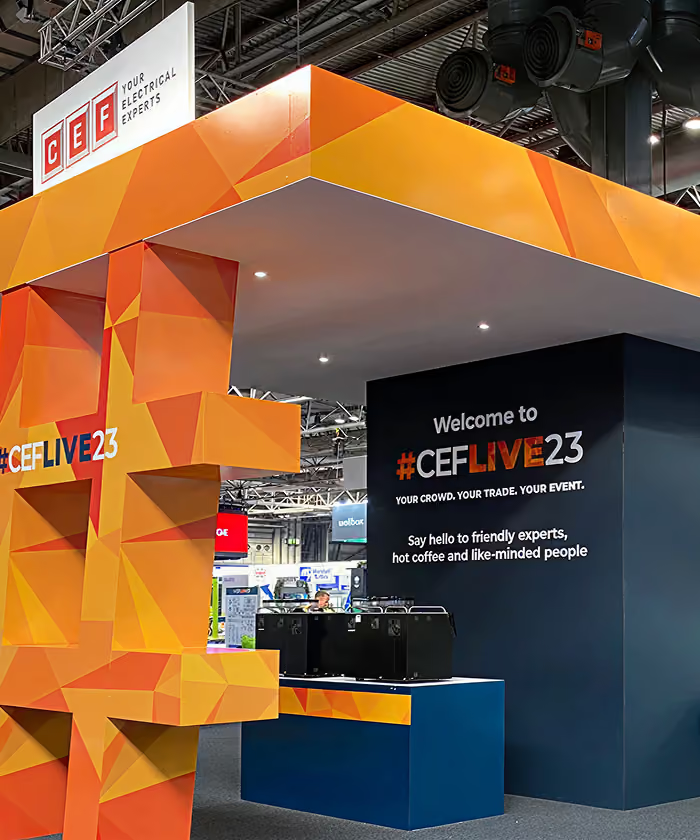
- Signage
- Digital platforms
- Printed materials
When attendees repeatedly encounter the same branding elements, they are more likely to recognise and remember the conference.
A consistent visual identity also creates a more professional and cohesive experience.
Develop a Memorable Event Theme
A strong conference theme can provide structure for the entire event.
Rather than presenting a collection of unrelated sessions, a theme creates a clear narrative that connects presentations, discussions and activities.
An effective theme should:
- Reflect audience interests
- Support conference objectives
- Be easy to understand
- Appear consistently across event materials
- Create opportunities for storytelling
A memorable theme gives attendees a simple idea they can associate with the conference long after it concludes.
Use Storytelling Throughout the Event
People are far more likely to remember stories than facts alone.
Incorporating storytelling into conference branding can make messages more engaging and easier to recall.
This can include:
- Speaker presentations
- Promotional campaigns
- Opening sessions
- Video content
- Social media activity
A compelling narrative helps attendees form emotional connections with the event, increasing the likelihood that key messages will be remembered.
Extend Branding Beyond Traditional Materials
Many conferences focus heavily on banners, programmes and presentation slides.
While these elements remain important, branding opportunities exist throughout the attendee journey.
Consider branding:
- Registration areas
- Networking spaces
- Mobile apps
- Refreshment stations
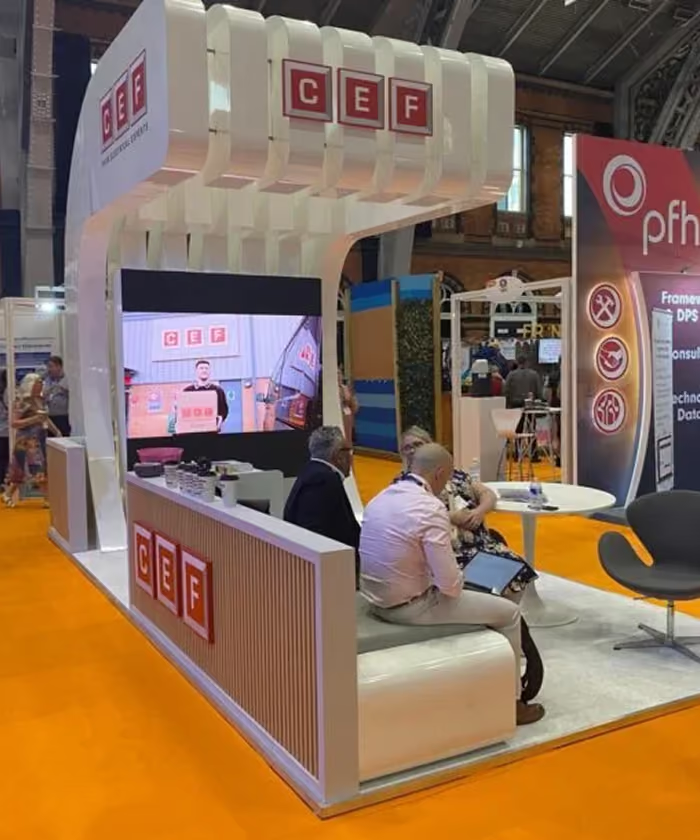
- Exhibition areas
- Interactive experiences
- Delegate welcome packs
The more consistently attendees encounter branded experiences, the stronger the overall impression becomes.
Create Shareable Moments
Attendees often become powerful promoters when they share their experiences online.
Creating moments that encourage social sharing can increase visibility while reinforcing conference branding.
Examples include:
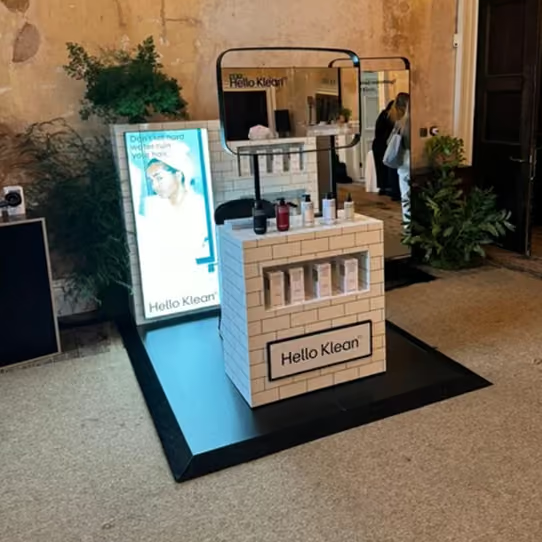
- Branded photo opportunities
- Interactive installations
- Live demonstrations
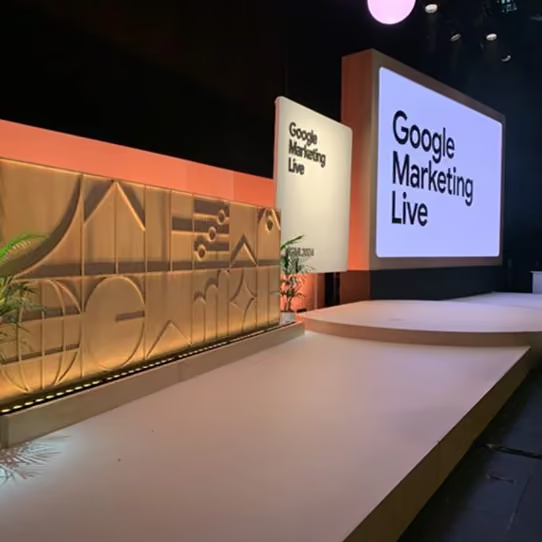
- Unique stage designs
- Creative networking activities
When attendees share these experiences on social media, they help extend the conference brand beyond the event itself.
Make Branding Part of the Environment
Venue design can play a major role in reinforcing audience recall.
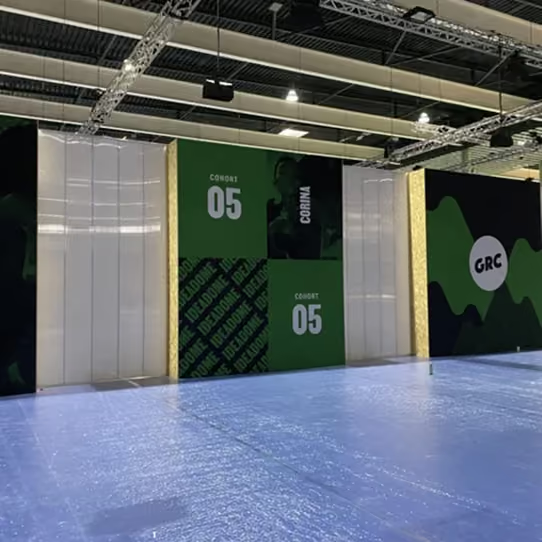
Rather than limiting branding to signs and graphics, organisers can incorporate brand elements into the overall environment.
This might involve:
- Branded stage designs
- Custom lighting schemes
- Themed breakout areas
- Interactive digital displays
- Wayfinding systems
A carefully branded environment helps create an immersive experience that attendees are more likely to remember.
Ensure Sponsors Align With the Event Brand
Sponsors can add value to a conference, but poorly integrated sponsorship can weaken the overall attendee experience.
Successful conferences ensure sponsor activations feel relevant and aligned with the event's objectives.
This can be achieved by:
- Selecting suitable sponsors
- Maintaining consistent design standards
- Creating meaningful sponsor interactions
- Integrating sponsors naturally into the programme
A cohesive approach benefits both organisers and sponsors while maintaining a strong conference identity.
Deliver Consistent Messaging Across All Channels
Attendees often interact with a conference brand long before they arrive at the venue.
Conference websites, email campaigns, social media content and promotional materials should all communicate consistent messages.
Key messages should reinforce:
- The event's purpose
- Audience benefits
- Core themes
- Unique selling points
Consistency across channels helps build familiarity and increases the likelihood that attendees will remember the conference.
Focus on the Attendee Experience
Branding is most effective when it supports a positive attendee experience.
No amount of visual design can compensate for a poorly organised event.
The strongest conference brands are built around delivering value through:
- Relevant content
- Effective networking opportunities
- Smooth event operations
- Comfortable venues
- Helpful staff
- Engaging activities
Attendees often remember how an event made them feel more than specific branding elements.
Reinforce the Brand After the Event
Audience recall does not end when attendees leave the venue.
Post-event communication provides an opportunity to strengthen branding and keep the conference fresh in attendees' minds.
This may include:
- Thank-you emails
- Session recordings
- Event highlights
- Follow-up surveys
- Social media content
- Announcements for future events
Continuing the conversation after the conference helps maintain engagement and encourages attendees to return in the future.
The Connection Between Branding and Engagement
Strong branding and attendee engagement often go hand in hand.
A well-defined conference identity helps create a more cohesive experience, while engaging activities give attendees memorable interactions to associate with the brand.
Organisers looking at improving audience engagement at conferences should consider branding as part of the overall event strategy rather than treating it as a separate activity.
When branding and engagement work together, conferences become more memorable, impactful and valuable for attendees.
Final Thoughts
Conference branding is about much more than creating an attractive logo or choosing a colour scheme. It involves shaping every aspect of the attendee experience to create a clear, memorable and consistent identity.
From visual design and storytelling to environmental branding and post-event communication, every touchpoint contributes to how attendees remember an event.
By developing a strong conference brand and delivering an experience that aligns with it, organisers can improve audience recall, strengthen event reputation and build lasting relationships with attendees year after year.