B
Office Fit Out Costs in the UK: What Businesses Should Expect
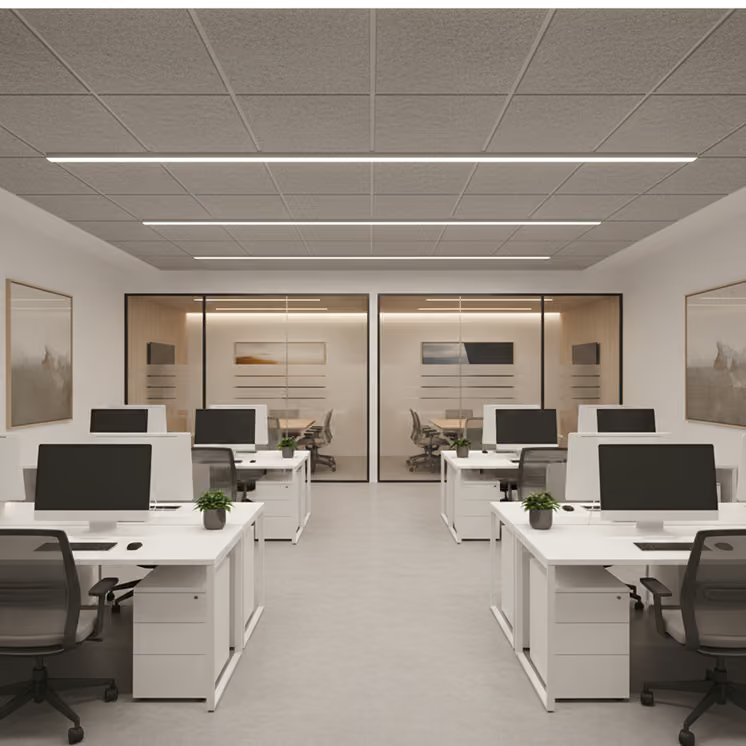
Moving into a new office or transforming an empty commercial space is an exciting opportunity for any business. A well-planned office fit out can improve productivity, support employee wellbeing and create a workspace that reflects company culture and brand identity.
However, one of the first questions most organisations ask is: how much does an office fit out cost?
The answer varies considerably depending on factors such as office size, location, specification and project complexity. Understanding the costs involved can help businesses plan effectively and avoid unexpected expenses during the process.
This guide explores the main factors that influence office fit out costs in the UK and what businesses should expect when budgeting for a project.
What Is an Office Fit Out?
An office fit out involves transforming a commercial space into a fully functional workplace.
Depending on the condition of the property, this may include:
- Partition walls
- Flooring
- Suspended ceilings
- Electrical systems
- Lighting
- Heating and cooling systems
- Furniture
- Meeting rooms
- Kitchens and breakout areas
- Technology infrastructure
The objective is to create a workspace that is ready for occupation and tailored to the needs of the organisation.
Typical Office Fit Out Costs in the UK
Office fit out costs can vary significantly depending on the level of specification required.
As a general guide, businesses may encounter the following cost ranges:
Basic Fit Out
A basic fit out focuses on essential functionality and practical workspace requirements.
This may include:
- Standard flooring
- Basic lighting
- Simple partitioning
- Essential electrical installations
Basic projects are often suitable for businesses with limited budgets or straightforward workplace requirements.
Mid-Range Fit Out
A mid-range fit out typically includes a higher quality finish and greater attention to employee experience.
Projects may feature:
- Improved materials
- Enhanced meeting facilities
- Branded design elements
- Better furniture solutions
- Modern technology integration
This level is often chosen by businesses looking to balance cost and workplace quality.
High-End Fit Out
Premium office fit outs are designed to create a strong visual impact and deliver an exceptional workplace experience.
They may include:
- Bespoke design features
- High-specification finishes
- Advanced technology
- Premium furniture
- Specialist lighting
- Wellness spaces
High-end projects generally require a larger investment but can support employee attraction, retention and brand positioning.
Factors That Influence Office Fit Out Costs
Every office fit out project is unique.
Several factors influence the final budget.
Office Size
The size of the workspace is one of the most obvious cost drivers.
Larger offices require:
- More materials
- Additional labour
- Increased furniture requirements
- Greater infrastructure investment
While larger projects often benefit from economies of scale, overall costs will generally increase with floor area.
Building Condition
The condition of the property can significantly affect costs.
An empty shell-and-core building may require substantial work before it becomes operational.
Additional expenses may arise from:
- Mechanical installations
- Electrical infrastructure
- Structural modifications
- Compliance upgrades
Conversely, a building with existing services may require less investment.
Design Complexity
Simple layouts are generally more cost-effective than highly customised designs.
Features that can increase project costs include:
- Bespoke joinery
- Custom-built meeting rooms
- Specialist finishes
- Unique architectural elements
- Complex layouts
The more customised the design, the greater the likely investment.
Furniture Requirements
Furniture is often a significant component of fit out budgets.
Costs will vary depending on:
- Desk specifications
- Seating quality
- Storage solutions
- Meeting room furniture
- Collaborative workspace requirements
Many organisations increasingly invest in ergonomic furniture to support employee wellbeing and productivity.
Technology Integration
Modern workplaces rely heavily on technology.
Fit out projects frequently include:
- Data cabling
- Video conferencing systems
- Smart meeting rooms
- Wireless infrastructure
- Audio-visual equipment
Advanced technology solutions can substantially increase costs but may improve workplace efficiency and collaboration.
Hidden Costs Businesses Should Consider
When budgeting for a fit out, it is important to consider expenses beyond construction and design.
Potential additional costs include:
- Professional fees
- Planning approvals
- Building regulations compliance
- Project management
- Temporary relocation costs
- IT migration
- Staff training
Factoring these items into the budget can help avoid surprises later in the project.
Balancing Cost and Value
While cost is an important consideration, businesses should also evaluate the long-term value of their investment.
A well-designed office can contribute to:
- Improved productivity
- Better employee wellbeing
- Enhanced collaboration
- Stronger company culture
- Increased staff retention
Focusing solely on minimising costs may result in missed opportunities to create a workplace that supports organisational success.
The most effective fit outs balance financial considerations with long-term business objectives.
How to Control Office Fit Out Costs
Businesses can manage costs more effectively through careful planning.
Useful strategies include:
- Defining project objectives clearly
- Establishing realistic budgets
- Prioritising essential requirements
- Selecting experienced contractors
- Avoiding unnecessary design changes
- Planning for future growth
Early planning often helps reduce inefficiencies and minimise expensive adjustments during construction.
Fit Out vs Refurbishment Costs
Some organisations may wonder whether a full fit out is necessary.
Understanding the differences between new fit outs and upgrades to existing workplaces can help inform decision-making.
Businesses researching office fit-out vs refurbishment explained often find that refurbishment projects can be more cost-effective when core infrastructure already exists.
However, the right solution depends on the condition of the property and the organisation's long-term goals.
Is an Office Fit Out Worth the Investment?
For many businesses, an office fit out represents a significant financial commitment.
However, it should also be viewed as an investment in people, productivity and future growth.
A carefully planned workspace can:
- Support operational efficiency
- Strengthen employee engagement
- Improve client perceptions
- Enhance organisational culture
- Accommodate future expansion
When designed effectively, the benefits can extend well beyond the initial project cost.
Final Thoughts
Office fit out costs in the UK vary widely depending on factors such as office size, building condition, design complexity and technology requirements. While costs can be substantial, a fit out provides an opportunity to create a workplace that supports both employees and business objectives.
The key to a successful project is careful planning, realistic budgeting and a clear understanding of priorities. By balancing cost considerations with long-term value, businesses can create office environments that deliver lasting benefits and support future growth.
Whether fitting out a new office or evaluating alternative workplace improvements, understanding the factors that influence costs is an essential first step in making informed decisions.