B
Exhibition Stand Planning Timeline: When Should You Start?
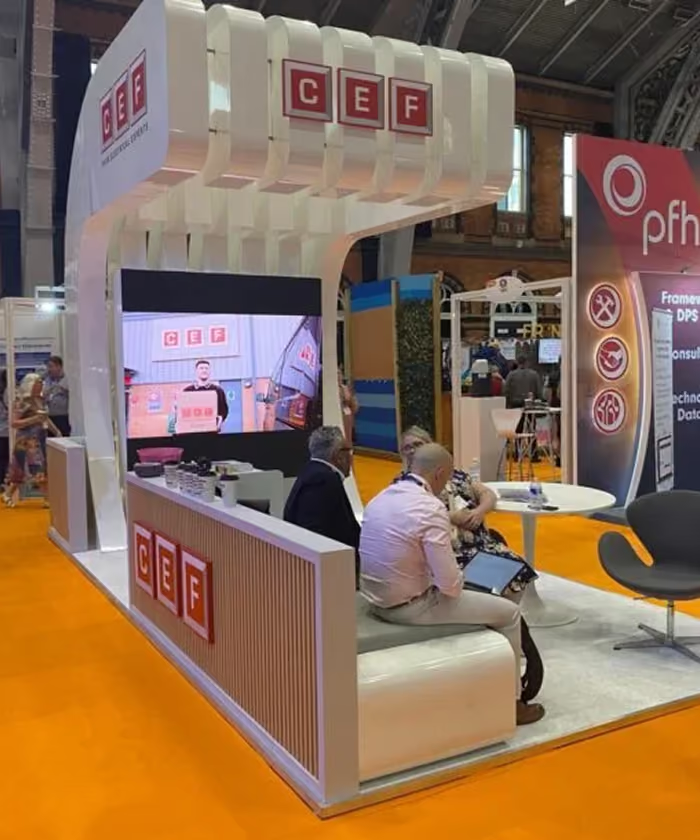
If you're planning a custom exhibition stand, start around nine to twelve months before the show. Going modular or reworking an existing stand? Six months gives you enough room. You can pull something together in under three months if you have to, but it narrows your options and pushes your costs up. Here's a month-by-month look at what should happen when, and what it tends to cost you if you leave each stage too late.
The short version is that the expensive mistakes happen at the start, not the end. A stand that disappoints on the day is almost always the result of decisions made, or not made, in the first couple of months. So the earlier you can get your thinking straight, the more of your budget ends up on the floor rather than lost to rush fees and compromises.
Nine to Twelve Months Out: Book Space and Set the Budget
The best stand positions at major UK exhibitions go long before the show opens. Corner plots, spaces near entrances and pitches on main walkways get snapped up by returning exhibitors who rebook at the previous year's event. If you want a strong position rather than whatever's left over, get in touch with the organiser as soon as the space plan is released.
Position affects everything downstream, so it's worth thinking about before you sign. A corner plot with two open sides needs a different design from an inline space boxed in by neighbours, and a spot near a busy entrance draws different traffic from one tucked at the back of a hall. Getting the space right first means the design works with the location instead of fighting it.
Fix the Budget Now
This is also the moment to fix your budget. A realistic figure covers the stand build itself, plus space hire, graphics, AV, utilities, transport, installation, staffing and a contingency of around ten per cent. Set the number now and every later decision gets made against it, rather than the budget quietly creeping up as the show gets closer.
Six to Nine Months Out: Design and Concept
With your space confirmed, you can get the design going. This is where you brief your stand builder on your objectives, your brand and the practical demands of the show. A good brief covers what you want visitors to actually do on the stand, how many staff will work it, what products need displaying and what meetings need somewhere to happen.
Decide What the Stand Is For
Be honest at this stage about what the stand is for. A stand built to launch a product wants space and drama around one hero item. A stand built to book meetings wants seating and a bit of quiet. A stand built for brand awareness wants to be seen from across the hall. Trying to do all three at once on a small plot is how stands end up cluttered and unfocused, so pick the job that matters most and design around it.
Build in Time for Revisions
Give yourself time for revisions. First concepts rarely survive contact with the wider team, and a design you sign off in a rush tends to generate expensive change requests later. A well-run exhibition stand planning process builds those revision rounds in from the start rather than treating them as delays.
Custom builds really need this window. Bespoke joinery, structural elements and unusual materials all carry lead times, and the earlier you lock the design, the more ambitious you can be with it.
Three to Six Months Out: Build, Approvals and Utilities
Once you've signed off the design, fabrication starts. Alongside it, a few administrative jobs need your attention, and these are the ones that catch exhibitors out every year.
Approvals and Paperwork
Most organisers want stand plans submitted for approval, particularly for double-deck structures or anything over a certain height. Health and safety documentation, method statements and structural calculations all take time to prepare, and a late submission can force design changes you didn't want.
Utilities and Services
Utilities are the other place things go wrong. Electrical supply, water, waste, compressed air and rigged points all need ordering through the venue or organiser, usually with early-bird pricing that expires months ahead of the show. Order late and you pay a premium. Order too late and some services simply aren't available. Because we handle utility installation as part of the build, these orders get placed as part of your project plan rather than sitting on your to-do list.
Keep the Threads Moving Together
It's worth flagging how much these two jobs interact. A design change forced by a late approval can change your power requirements, which then clashes with a utility order you've already placed. Keeping the design, the paperwork and the services moving together, rather than in sequence, is what stops one delay turning into three.
Six to Twelve Weeks Out: Graphics, Content and Logistics
Large-format graphics need artwork signed off well before print, and any screen content, product films or interactive bits need producing and testing. This is also when you'll book transport, confirm build schedules with the venue and plan your staff briefings.
Lock In Your Crew Slots
Book your installation and breakdown crew slots early. Venue access is timetabled, and the slots you're given shape how the whole build is sequenced. Leave this too late and you can find yourself with a brilliant stand and no window in which to actually put it up.
Brief Your Staff
Don't overlook staff at this point either. The people working your stand are as much a part of it as the graphics, and a quick briefing on the layout, the key messages and who handles what turns a good-looking stand into a productive one.
The Final Month
The last few weeks should be about refinement, not decisions. Think final walkthroughs of the design, confirming deliveries, training staff on the stand's layout and tech, and a snagging plan for build day. If you've followed the timeline, this month is calm. If you haven't, this is where the compromises tend to happen.
What If You've Left It Late?
Sometimes a show lands in your lap with eight weeks' notice. A late start doesn't have to mean a poor stand, but it does mean working with a builder set up for fast turnarounds. We've built our reputation on delivering finished stands against short deadlines, because we design, fabricate and install in-house rather than coordinating a chain of subcontractors. With one team accountable for the whole job, weeks of handover time drop out of the schedule.
The trade-off is choice. A late project works with materials that are in stock, positions that are still going and utility services you can still order. The result can still be excellent. It just can't be everything it might have been with a year's run-up.
Talk to Someone Before You Book the Space
If there's one step worth doing earlier than you think, it's speaking to your stand builder before you commit to a space. A good one will tell you which plots suit your objectives, what your budget realistically buys and where the pressure points sit for your particular show. That conversation costs you nothing and routinely saves exhibitors thousands.
We've been designing and building exhibition stands since 2010, from first-time 3x3 plots to double-deck flagship builds. If you've got a show date in the diary, get in touch and we'll map the timeline backwards from it with you.