B
Conference Registration Best Practices

Registration is the first real interaction a delegate has with your event, and it happens at the worst possible moment: arrival, when people are tired from travelling, unsure where to go and quick to form a judgement. A slow, confusing check-in sets a sour tone that the rest of the day has to work to undo. A calm, quick one tells everyone they're in good hands. It's one line on any decent conference planning checklist, but it carries far more weight than that single line suggests. Here's how to get it right.
Treat Check-In as a Physical Space
Most registration advice focuses on software and forgets that check-in is a physical event happening in a physical space. Hundreds of people arriving in a short window need room to queue, to sort themselves out and to move on without colliding with the ones behind them. Get the layout wrong and even fast software produces a bottleneck at your front door.
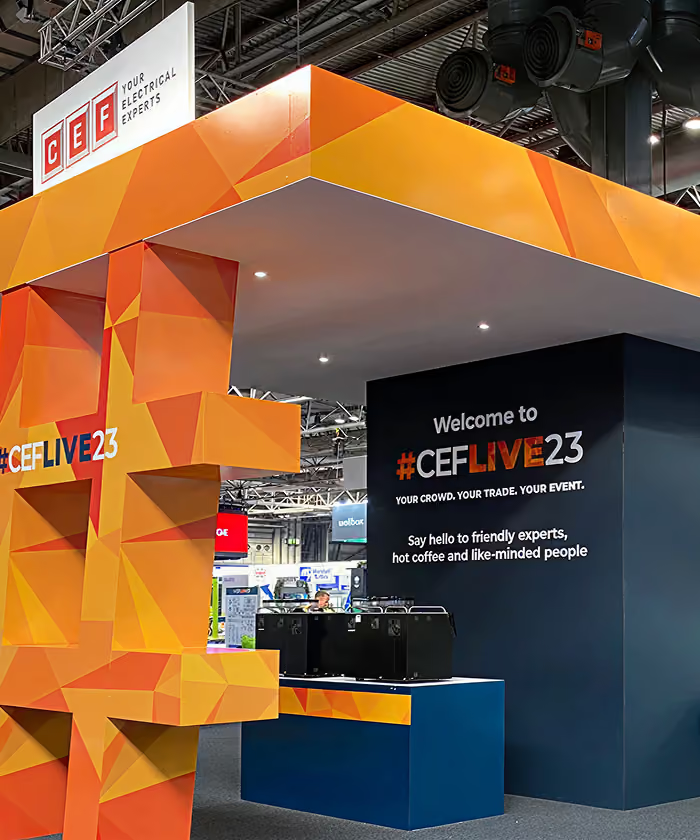
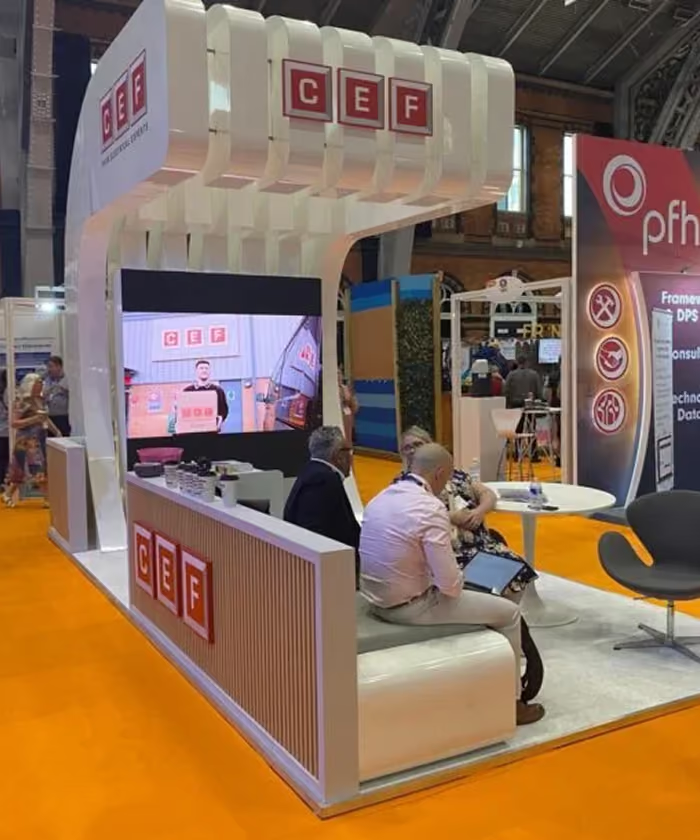
Give registration far more space than you think it needs, and place it where arriving delegates can see it immediately. A clearly branded, well-signed welcome area removes the moment of hesitation where people stand in the entrance wondering where to go. The desks themselves should be positioned so the queue forms away from the doors, leaving the entrance clear for people still coming in. Think about the direction people face too, so that a forming queue runs into open floor and not across the path of delegates heading for the main room.
Plan for the Arrival Peak
The mistake that causes most registration chaos is planning for the average and getting caught by the peak. Delegates don't arrive in a steady trickle. They cluster around the times public transport arrives and just before the opening session, so a desk that copes fine at 8:15 can be overwhelmed at 8:45.
Match Desk Numbers to the Rush
Work out your busiest fifteen minutes and staff for that, not for the whole morning's average. A useful rule of thumb is to have enough check-in points that no one waits more than a few minutes at the worst moment. It's better to have a desk sitting quiet for part of the morning than a queue snaking out of the door during the rush. If you know a particular train or shuttle lands shortly before your start time, plan for that arrival specifically, because it will bring the biggest single wave of the day.
Split the Queue by Type
Separate lines for pre-registered delegates, on-the-day registrations and speakers or VIPs keep the simple cases moving quickly. The bulk of your attendees have already registered and just need collecting, so give them a fast lane and don't let the handful of complicated cases hold everyone up.
Make Pre-Event Registration Effortless
The smoothest on-site experience starts weeks earlier with easy online registration. Keep the sign-up form short and ask only for what you genuinely need, because every extra field costs you completions. Send a clear confirmation with everything a delegate needs to arrive smoothly: the address, the timings, what to bring and a QR code or reference that speeds up their check-in.
Sending joining details again the day before catches the people who registered months ago and have forgotten the specifics. A delegate who arrives already knowing where to go and with their code ready is a delegate who clears your desk in seconds. Every one of those quick check-ins protects the delegates behind them from a long wait, so the effort you put into the pre-event emails pays off directly at the desk.
Get the Technology Working for You
Fast check-in usually means scanning a code. Working down a printed list by hand is what slows a desk to a crawl. QR codes on confirmation emails and on-demand badge printing turn each check-in into a few seconds of work. Whatever system you choose, test it under realistic conditions before the day, including what happens when the venue wifi struggles under load, which it often does when a few hundred people arrive at once.
Always have a paper backup. Technology fails at the least convenient moments, and a printed delegate list kept behind the desk means a wifi drop only slows you down and never stops you dead.
Staff the Desk With the Right People
Your registration team are the first faces of the event, so staff it deliberately with warm, unflappable people, because they set the tone for the day. They need to stay friendly and calm while a queue builds, and handle the delegate whose name isn't on the list without a fuss. A brief run-through the day before, walking the team through the layout and the common problems, pays for itself many times over in how the morning runs.
Guide People Onward
Registration isn't finished when someone has their badge. They then have to find their way to the cloakroom and then the main room, and a well-run check-in that dumps people into a confusing space has only half solved the problem. Clear signage and a visible steward or two at the point where delegates leave the desk keeps the flow moving and stops a second bottleneck forming just past the first.
Get Your Welcome Area Built to Handle It
Every one of these best practices depends on a registration space that's designed for the job, with branded desks, clear signage and a layout that manages the flow of arriving delegates. That's a build, and it's one we know well.
We design and build welcome desks and branded registration areas for conferences and corporate events, with an in-house team that handles the whole thing from design to install. If you've got an event coming up and want a check-in area that sets the right tone from the door, send us your venue and expected numbers and we'll design a welcome space that keeps your arrival running smoothly.